Blown-In Insulation Cost in Laguna Hills, CA
Transparent Blown-In Insulation Cost Pricing for Laguna Hills, CA Homeowners — Free Estimates
Discover blown-in insulation cost in Laguna Hills, CA. Fresh Breeze Attic Insulation offers free estimates, expert installation & Orange County rebate help. Call (949) 776-1215.
- Service area
- Laguna Hills, CA & nearby
- Phone
- (949) 776-1215
- Hours
- Mon-Sun 07:00-19:00
- Estimates
- Free, no obligation
Understanding the blown-in insulation cost in Laguna Hills, CA is the first step toward making a smart, energy-efficient investment for your home. Blown-in insulation — also known as loose-fill insulation — is a method of installing insulation material by blowing it into attic spaces, wall cavities, and other hard-to-reach areas using specialized equipment. The result is a dense, seamless thermal barrier that dramatically reduces heat transfer and energy loss.
Laguna Hills sits in a Southern California inland valley where summer temperatures regularly climb into the upper 80s and 90s°F, placing unique demands on residential insulation systems. Many homes in this city were built during the rapid development boom of the 1970s through the 1990s, and their original insulation has degraded significantly over the decades.
Read moreShow less
At Fresh Breeze Attic Insulation, we specialize in blown-in insulation installation throughout Laguna Hills and the surrounding Orange County area. Our team understands the local climate, building stock, and energy efficiency requirements that make this service essential for homeowners here. Call us today at (949) 776-1215 for a free estimate.
Understanding Blown-In Insulation in Laguna Hills
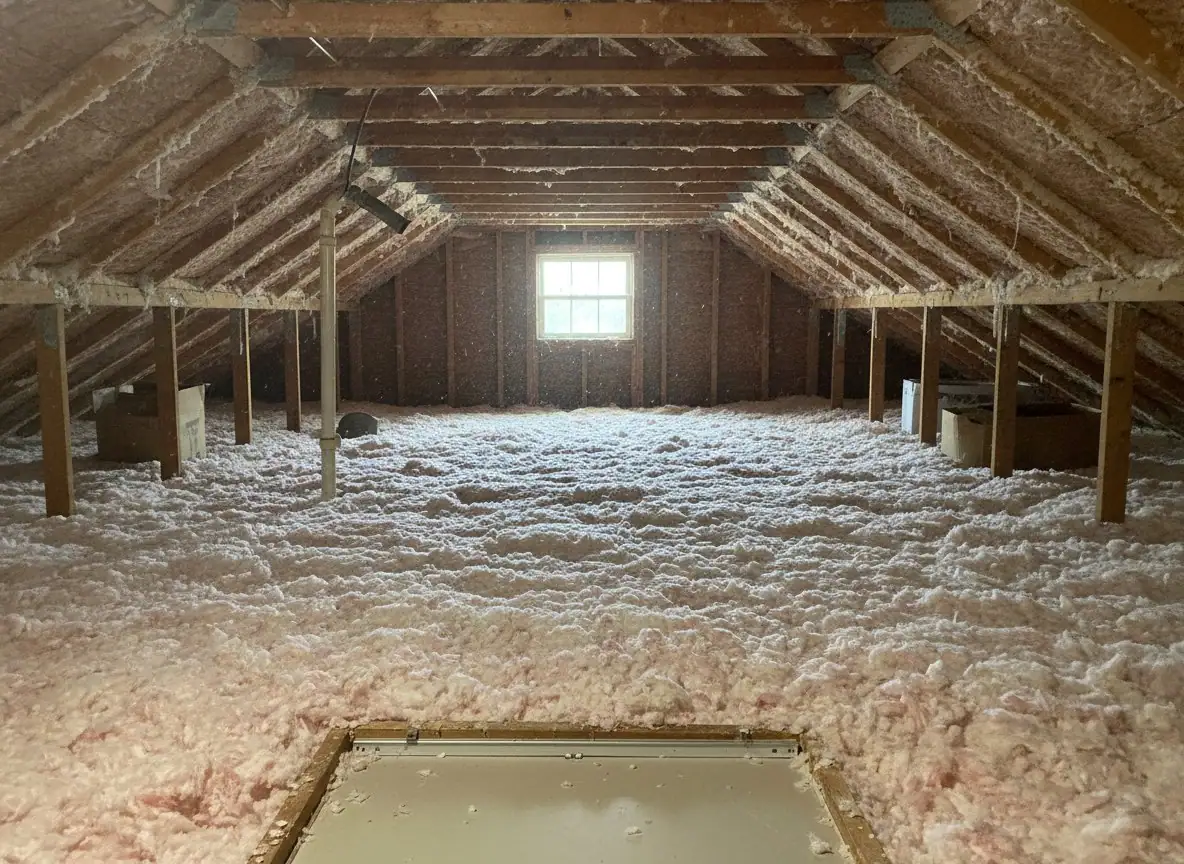
Blown-in insulation is one of the most effective and versatile insulation solutions available to homeowners in Southern California. Unlike traditional batt insulation — which comes in pre-cut rolls or panels — blown-in insulation consists of loose fibers or pellets that are mechanically blown into place using a high-powered blower machine. This allows the material to conform to irregular spaces, fill gaps around joists and rafters, and achieve a uniformly thick coverage that batts simply cannot match.
There are two primary materials used in blown-in insulation applications: fiberglass and cellulose. Fiberglass blown-in insulation consists of tiny glass fibers and offers excellent moisture resistance — a valuable property in the coastal-adjacent climate of Laguna Hills. Cellulose blown-in insulation is made from recycled paper treated with fire retardants and offers superior air sealing properties, making it highly effective in the older, less airtight homes common throughout the Laguna Hills area.
Read moreShow less
Historically, blown-in insulation became widely adopted in California during the energy crisis of the 1970s when the state introduced its first residential energy standards under Title 24. Laguna Hills, which was incorporated as a city in 1991 but had been developing as a community since the early 1970s, saw rapid tract home construction during this period. Many of those homes used fiberglass batt insulation as a cost-saving measure during construction, and decades later, those batts have sagged, settled, or become contaminated — leaving homeowners with dramatically reduced R-values.
In Laguna Hills today, the predominant residential building types include single-family tract homes built between 1970 and 1995, condominium complexes, and newer planned community developments. Each of these building types has distinct attic configurations and insulation needs. Vaulted ceilings common in 1980s construction, for example, require blown-in methods to properly fill the cavity without air gaps. Ranch-style homes with wide, open attic spaces benefit enormously from the uniform coverage that blown-in installation provides.
The California Energy Commission currently recommends a minimum R-38 to R-60 for attic insulation in Climate Zone 10, which covers Laguna Hills. Blown-in insulation is often the most practical way to achieve these values in existing homes without costly structural modifications. Learn more about our attic insulation services
Why Blown-In Insulation Is Needed in Laguna Hills, CA
The Laguna Hills Climate Challenge
Laguna Hills is located in NOAA Climate Zone 10, a classification that describes the inland valleys of Southern California. The city experiences a semi-arid Mediterranean climate with pronounced temperature swings. Summer afternoon highs in July and August regularly reach 88°F to 95°F, while nighttime temperatures can drop to the upper 50s°F — a daily swing of more than 30 degrees. This thermal cycling puts constant stress on building envelopes and places heavy demand on HVAC systems that must work against significant heat gain through under-insulated attics.
The Santa Ana winds, which historically sweep through the Saddleback Valley and impact Laguna Hills with particular intensity during October through March, create additional challenges. Wind-driven air infiltration through attic ventilation gaps can displace loose or degraded batt insulation, further reducing effective R-values. During the October 2007 wildfires — which impacted communities throughout South Orange County and left lingering air quality issues — many Laguna Hills attic spaces accumulated smoke particulates and ash that contaminated existing insulation and necessitated full insulation removal and replacement.
Aging Housing Stock
The neighborhoods of Laguna Hills that were developed in the 1970s and early 1980s — including areas around Moulton Parkway and the Nellie Gail Ranch community — contain homes with 40- to 50-year-old insulation that has settled and degraded. Industry standards indicate that fiberglass batt insulation loses approximately 20% to 40% of its effective R-value over a 15- to 20-year period due to settling, moisture absorption, and pest activity. Homes originally installed with R-19 insulation during construction may now be performing at only R-11 or R-12 — far below the current minimum of R-38 recommended for Laguna Hills attics.
Pest Activity and Contamination
Laguna Hills and the broader Saddleback Valley region have documented issues with roof rats, mice, and squirrels — all of which frequently nest in attic insulation. Orange County Vector Control District data consistently identifies this area as active for rodent pressure. Pest activity compresses and soils insulation, rendering it thermally ineffective and creating biohazard concerns that require professional insulation removal before blown-in replacement can be installed safely.
Utility Costs and Energy Efficiency
Southern California Edison serves Laguna Hills residents, and electricity rates in California are among the highest in the nation, averaging 28 to 33 cents per kilowatt-hour as of 2024. Homes with inadequate attic insulation in this climate can experience HVAC system overwork that inflates monthly electricity bills by $80 to $200 or more during peak summer months. Upgrading to properly installed blown-in insulation at the recommended R-49 or R-60 level can reduce cooling and heating costs by 20% to 40%, providing a return on investment within three to seven years. Learn about our insulation removal services before replacement
Free, no-obligation estimates
Talk to Fresh Breeze Attic Insulation
Tell us what you need and we’ll take it from there.
Signs You Need Blown-In Insulation in Laguna Hills
Energy and Comfort Indicators
- Monthly electricity bills consistently higher than neighbors in similar-sized homes, especially during July–September peak cooling season
- Rooms on the top floor or directly beneath the attic that are noticeably warmer than lower-floor rooms — a temperature differential of more than 5°F between floors is a warning sign
- HVAC system running continuously for extended periods during Santa Ana wind events or summer heat waves
- Drafts or cold spots near ceiling areas during winter months
Physical and Visual Indicators
- Visible insulation in the attic that appears thin, flattened, or compressed — properly installed blown-in insulation should measure 10 to 15 inches deep for R-38 to R-60 coverage
- Gaps, bare spots, or areas where insulation has shifted away from the attic floor or perimeter eaves
- Evidence of pest activity including droppings, nesting materials, or tunneling through existing insulation batts
- Moisture staining, mold growth, or water damage marks on existing insulation
- Insulation age exceeding 20 years without any professional assessment or upgrade
Urgency Indicators
- Confirmed rodent or wildlife intrusion in the attic space — existing insulation must be removed and replaced
- Discovery of vermiculite or other asbestos-containing insulation materials in pre-1980 construction
- Post-wildfire smoke or ash contamination, which has affected Laguna Hills homes during regional fire events
Our process
Our Blown-In Insulation Process in Laguna Hills
Fresh Breeze Attic Insulation follows a structured, seven-step process specifically adapted to the building conditions and climate factors found in Laguna Hills and Orange County. Here is what homeowners can expect from start to finish:
- 01
Free In-Home Assessment (1–2 Hours)
Our certified technician visits your Laguna Hills home for a comprehensive attic inspection. We measure existing insulation depth at multiple points, test for air leaks, document any pest damage or moisture issues, and assess your attic’s ventilation configura
- 02
Existing Insulation Evaluation and Removal if Needed (Half Day to Full Day)
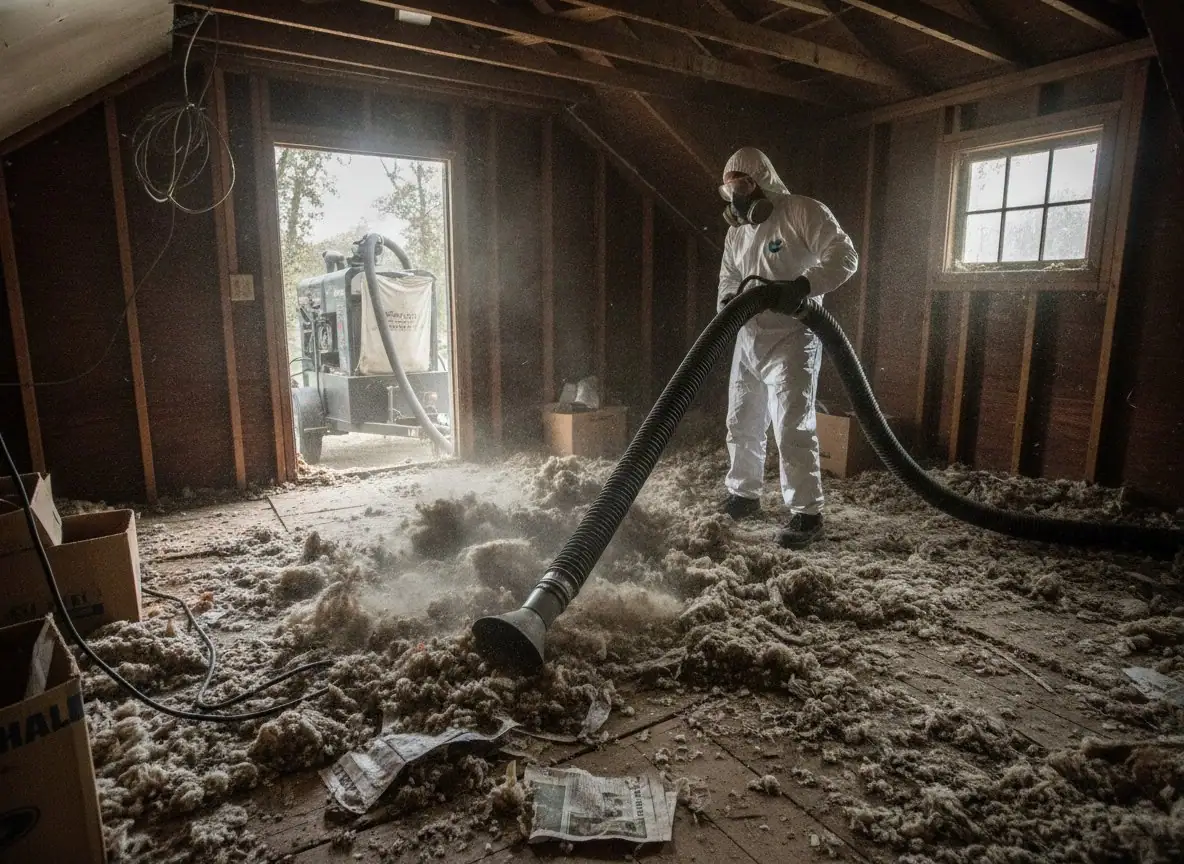
If your existing insulation is contaminated, moldy, pest-damaged, or so degraded that it would compromise the new installation, we perform complete insulation removal using HEPA-filtered vacuum equipment. This step is especially common in Laguna Hills homes bu
- 03
Air Sealing and Preparation (2–4 Hours)
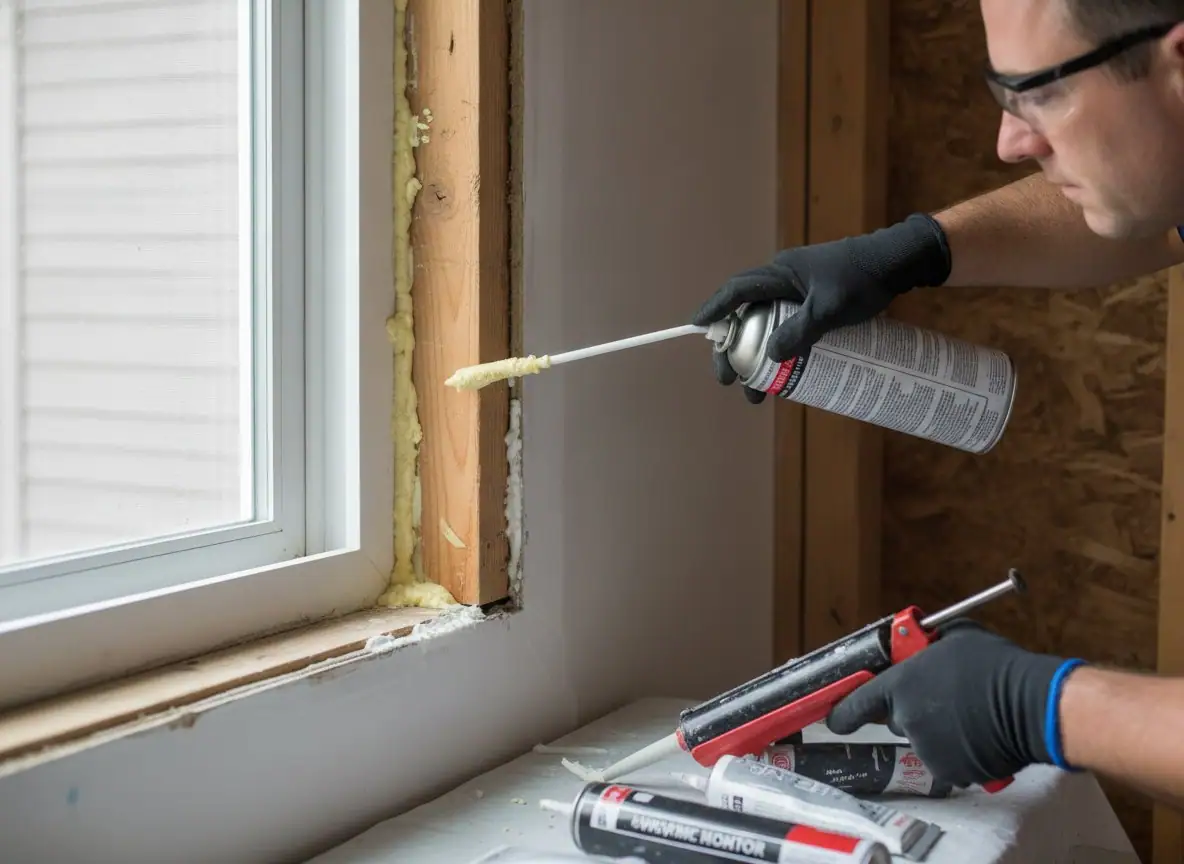
Before any blown-in insulation is installed, we seal all attic bypasses — penetrations around light fixtures, plumbing stacks, HVAC ducts, and wall top plates — using spray foam or caulk. This step is critical in Laguna Hills homes, where older construction of
- 04
Baffle Installation at Eave Vents (1–2 Hours)
We install ventilation baffles at all eave vent locations to ensure that blown-in insulation does not block airflow from the soffit vents. Proper attic ventilation is especially important in Laguna Hills due to the region’s high summer temperatures and the nee
- 05
Blown-In Insulation Installation (2–5 Hours Depending on Attic Size)
Using commercial-grade blower equipment, we install blown-in fiberglass or cellulose insulation to the specified depth required to achieve your target R-value — typically R-49 or R-60 for Laguna Hills homes. Depth ruler cards are placed throughout the attic to
- 06
Final Inspection and Measurement (30–60 Minutes)
We conduct a post-installation inspection, measuring insulation depth at a minimum of ten points across the attic and providing a written installation report documenting R-value achieved.
- 07
Cleanup and Homeowner Walk-Through (30 Minutes)
We restore your home’s interior access points, clean up any debris, and walk you through the completed installation with before-and-after documentation.
Blown-In Insulation Methods and Approaches
Fiberglass Blown-In Insulation
Loose-fill fiberglass is the most commonly used material for blown-in insulation in Laguna Hills. It offers excellent moisture resistance — an important factor given the occasional marine moisture intrusion from the coast — and achieves approximately R-2.2 to R-2.7 per inch. It is the preferred choice for homes with well-ventilated attics and for homeowners prioritizing long-term dimensional stability. Learn more about our blow-in insulation services
Cellulose Blown-In Insulation
Cellulose blown-in insulation provides approximately R-3.2 to R-3.8 per inch and offers superior air sealing compared to fiberglass. It is particularly effective in the older, less airtight homes found in communities like Nellie Gail Ranch and along Moulton Parkway. Cellulose is treated with borate-based fire retardants — an important safety feature in a region with documented wildfire risk.
Spray Foam Insulation for Supplemental Air Sealing
In some Laguna Hills homes, particularly those with complex attic configurations or cathedral ceilings, we use spray foam insulation in combination with blown-in to create a complete thermal and air barrier. Closed-cell spray foam applied at the roof deck can achieve R-6 to R-7 per inch and eliminates attic ventilation requirements entirely. Explore our spray foam insulation options
Dense-Pack Blown-In for Wall Cavities
For Laguna Hills homes where exterior walls are under-insulated, we offer dense-pack blown-in installation through small access holes drilled between studs. This method achieves R-3.5 to R-4.0 per inch in existing wall cavities without requiring interior or exterior wall removal.
Blown-In Insulation Cost in Laguna Hills, CA
Understanding the real costs involved helps Laguna Hills homeowners budget accurately and compare quotes fairly. Below are typical price ranges based on current Orange County market conditions.
Typical Cost Ranges
- Basic attic blown-in insulation (fiberglass, R-38): $1,200 – $2,400 for a 1,500 sq. ft. attic footprint
- Full attic blown-in insulation (cellulose, R-49 to R-60): $2,000 – $3,800 for a 1,500–2,000 sq. ft. attic
- Insulation removal and replacement: $2,500 – $5,500+ depending on attic size and degree of contamination
- Wall cavity dense-pack blown-in: $1.50 – $3.50 per square foot of wall area treated
- Air sealing combined with blown-in: Adds $300 – $800 to the base installation cost
Read moreShow less
Cost Factors Specific to Laguna Hills
Several factors influence the final cost of blown-in insulation for Laguna Hills homeowners. Homes in hillside areas such as those near Aliso Viejo Road may have steeper roof pitches that increase labor complexity. Two-story homes with large attic footprints common in newer planned communities near El Toro Road require more material. Older homes that have never been air-sealed require additional preparation time before insulation can be installed effectively.
Available Incentives
Southern California Edison offers rebates through its Energy Upgrade California program for qualifying insulation upgrades, which can reduce out-of-pocket costs by $200 to $600 depending on the scope of work. Contact our team at (949) 776-1215 to discuss which rebates may apply to your Laguna Hills home and to receive a free, detailed written estimate.
Neighborhoods We Serve in Laguna Hills
Nellie Gail Ranch
This prestigious equestrian community features large custom homes built predominantly from the late 1970s through the early 1990s. Many properties have expansive attic spaces and complex rooflines that benefit from blown-in insulation’s ability to conform to irregular surfaces. Homes here frequently require insulation removal due to age-related degradation and historical pest activity.
Moulton Ranch
Located in the northern portion of Laguna Hills along Moulton Parkway, this neighborhood includes tract homes from the 1980s construction era. These homes commonly feature vaulted ceiling configurations and benefit significantly from dense-pack or blown-in attic upgrades to meet current Title 24 standards.
Aliso Viejo Road Corridor Communities
The residential developments along and near Aliso Viejo Road include a mix of condominium complexes and detached homes from the late 1980s and early 1990s. Many condominium units share attic spaces that require careful zoning and material selection during blown-in insulation installation. Learn about crawl space insulation for homes in this area
Communities Near El Toro Road
Newer planned developments near El Toro Road and the Laguna Hills border with Lake Forest include homes built from the late 1990s through the 2000s. While newer, these homes often still benefit from blown-in top-off installations to bring original fiberglass batts up to current R-60 recommendations.
Maintaining Your Blown-In Insulation in Laguna Hills
Proper maintenance extends the performance life of your blown-in insulation investment and helps maintain energy efficiency throughout Laguna Hills’ demanding climate cycle.
- Annual visual inspection: Check your attic each fall before Santa Ana wind season to confirm insulation depth and coverage, looking for any areas that may have shifted or settled.
- Monitor for pest entry points: Inspect roof soffits, fascia boards, and gable vents seasonally for signs of rodent or bird entry — Orange County’s active rodent population makes this a regular priority.
- Keep attic ventilation clear: Ensure soffit vents are not blocked by storage items or debris, as proper airflow is critical for insulation performance in Laguna Hills summers.
- Address roof leaks immediately: Even minor roof leaks can wet and compress blown-in insulation, significantly reducing its R-value. Post-rain inspections are especially important after strong Pacific storm systems.
- Professional depth check every 5–7 years: Have a certified insulation contractor measure your insulation depth and compare it against your original installation report to identify any settling-related performance loss.
- Avoid attic storage compression: Do not stack heavy boxes or items on top of blown-in insulation, as compression dramatically reduces its thermal resistance.
- Maintain HVAC duct integrity: Leaking attic ductwork can introduce warm, moist air into insulated cavities, promoting mold growth and insulation degradation.
Why Choose Fresh Breeze Attic Insulation in Laguna Hills
Fresh Breeze Attic Insulation has built its reputation serving homeowners throughout Laguna Hills and the surrounding Orange County communities. Our team has direct, hands-on experience with the specific housing stock, climate conditions, and insulation challenges that define this region — from the older ranch homes of Nellie Gail Ranch to the planned communities along El Toro Road.
We provide comprehensive insulation services under one roof, including insulation installation, spray foam insulation, attic insulation, crawl space encapsulation, crawl space insulation, insulation removal, and insulation replacement — meaning we can handle every phase of your project with one trusted contractor.
Read moreShow less
Our technicians are trained in current California Title 24 compliance requirements and stay current with Southern California Edison rebate programs so that we can help Laguna Hills homeowners maximize their financial return on insulation upgrades. We provide written, itemized estimates, post-installation measurement reports, and ongoing customer support. When you call (949) 776-1215, you speak directly with our team — no call centers, no third-party contractors.
We also serve neighboring communities including Ladera Ranch, Mission Viejo, Lake Forest, Irvine, and Newport Beach, giving us deep familiarity with the full range of South Orange County building conditions.
FAQ
Frequently Asked Questions About Blown-In Insulation Cost in Laguna Hills
How much does blown-in insulation cost for a typical Laguna Hills home?
For a typical 1,500 to 2,000 square foot attic in Laguna Hills, blown-in insulation installation ranges from approximately $1,200 to $3,800 depending on the material chosen (fiberglass vs. cellulose), the target R-value, and whether air sealing or insulation removal is needed. Homes with pest contamination or extensive existing insulation removal requirements can see total project costs of $3,000 to $5,500 or more.
Is blown-in insulation better than batt insulation for Laguna Hills homes?
In most cases, yes. The older tract homes and complex attic configurations common in Laguna Hills neighborhoods like Nellie Gail Ranch and Moulton Ranch benefit greatly from blown-in insulation’s ability to fill irregular spaces uniformly without gaps. Batt insulation tends to leave voids around obstructions and is more prone to settling and pest disruption over time.
How long does blown-in insulation installation take in Laguna Hills?
A standard blown-in insulation installation in a Laguna Hills home typically takes one full day from start to finish. Projects that include full insulation removal, extensive air sealing, or large attic footprints may require two days. We provide a specific time estimate during your free in-home assessment.
Does Laguna Hills have specific insulation requirements under California Title 24?
Yes. Laguna Hills falls within California Climate Zone 10, which requires a minimum R-38 for attic insulation in existing homes and R-49 or higher for new construction or major renovations. California’s Title 24 energy standards are among the most stringent in the nation, and many Laguna Hills homes built before 2000 fall significantly short of these current minimums.
Can I get a rebate for blown-in insulation in Laguna Hills?
Yes. Southern California Edison’s Energy Upgrade California program offers rebates for qualifying insulation upgrades in Orange County. Rebate amounts typically range from $200 to $600 depending on project scope and home size. Our team can help you identify and apply for applicable rebates when you schedule your estimate.
Does blown-in insulation help with noise reduction in Laguna Hills?
Cellulose blown-in insulation in particular provides meaningful acoustic benefits in addition to thermal performance. Laguna Hills homes near the Interstate 5 corridor, Moulton Parkway, or El Toro Road can see noticeable reductions in exterior noise transmission following a full blown-in insulation upgrade.
How do I know if my existing insulation needs to be removed before blown-in is installed?
Insulation removal is necessary when existing material shows signs of pest contamination, mold, moisture damage, or fire/smoke damage. If you have older blown insulation that may contain vermiculite (found in some pre-1985 homes), testing for asbestos is recommended before any disturbance. Our technicians assess existing insulation conditions during the free inspection and provide a clear recommendation.
How long will blown-in insulation last in a Laguna Hills home?
Properly installed blown-in fiberglass or cellulose insulation in a Laguna Hills attic typically maintains its effective performance for 20 to 30 years or more, provided the attic remains dry, pest-free, and properly ventilated. Cellulose may experience slightly more settling over time, which can be addressed with a top-off installation. Regular inspections every five to seven years help ensure continued performance.
Get Your Free Blown-In Insulation Estimate in Laguna Hills Today
If your Laguna Hills home is losing energy through an under-insulated attic, the time to act is now — especially before the peak summer cooling season drives electricity bills to their annual highs. Fresh Breeze Attic Insulation provides free, no-obligation in-home assessments for homeowners throughout Laguna Hills and all of Orange County.
Our team will measure your current insulation levels, identify any air sealing deficiencies, explain your options in plain terms, and provide a detailed written estimate with transparent pricing — no surprises, no pressure.
Call us now at (949) 776-1215 to schedule your free assessment. We serve Laguna Hills, Mission Viejo, Lake Forest, Irvine, and communities throughout South Orange County. You can also contact us online to request a callback at your preferred time. Make the upgrade that pays for itself — start with Fresh Breeze Attic Insulation.
Get in touch
Find insulation help near you
Request a free estimate online or give us a call — our team will follow up quickly.
- Call us(949) 776-1215
- Visit23151 Moulton Pkwy, Laguna Hills, CA 92653
- HoursMon-Sun 07:00-19:00